

In this article
- Dating Apps Didn’t Fail. They Just Solved a Different Problem
- Gen Z Isn’t Anti-Social. They’re Context-First
- Interests Are No Longer Just Hobbies. They Are Social Signals
- Why This Makes Interest-Based Friendship Feel Safer Than Dating
- Befriend as an Example: A Human-First Model
- Our Final Thoughts: Built on Identity, Values, and Character
Dating Apps Didn’t Fail. They Just Solved a Different Problem
Dating apps are often labelled a disappointment for Gen Z, but they delivered on what they promised: fast, efficient, and scalable ways to meet new people. Swiping and matching simplified social discovery, especially in big cities and digital-first lives. The real achievement was making connections accessible at scale, even if depth was never the goal.
But efficiency doesn’t guarantee a meaningful connection. Gen Z’s frustration comes from the emotional cost of hyper-optimised matching—fatigue, burnout, and a sense of superficiality. Studies show many young users feel overwhelmed and let down by the lack of depth. Dating apps were built for access, not for real emotional resonance.
For Gen Z, context and authenticity matter more than speed. Growing up online, they crave spaces where identity and values are visible and shared. As a result, many are moving toward interest-based communities and platforms that prioritise genuine connection over quick matches. Dating apps didn’t fail—they solved a different problem. Now, Gen Z is shaping what comes next.
Dating Apps Didn’t Fail.
They Solved a
Different Problem.
They optimized for access, not connection. Gen Z is now shaping what comes next.



Gen Z Isn’t Anti-Social. They’re Context-First
For Gen Z, authentic connection begins with shared context; attraction is just the starting line. Despite being typecast as distant or disinterested, Gen Z is actually the most digitally communicative generation yet, investing more time in online conversations than any of their predecessors. The shift isn’t in their appetite for connection, but in the criteria that make those connections meaningful. If context is missing, interactions feel artificial and transactional; when it’s present, conversations flow organically, unlocking genuine engagement.
Context is the new currency of digital connection for Gen Z, and it’s minted through shared interests, cultural touchpoints, and visible values. Whether it’s a favourite series, a hyped new game, or a micro-community around a music genre, these signals create instant rapport. They eliminate the awkwardness of cold intros and lower the stakes for authentic outreach. According to McKinsey’s research on Gen Z digital habits, these users gravitate toward platforms where identity and interests are front and centre, streamlining the decision: Is this space relevant to me? In these environments, chemistry is sparked by recognition over reputation, familiarity, not flash, wins.
Values take that context even deeper. For Gen Z, identity, beliefs, and causes aren’t just background data: they’re the front-facing elements of modern social life. When values align, emotional resonance and lasting compatibility follow, even in non-romantic contexts. That’s why platforms built around culture, lifestyle, and shared missions are experiencing explosive growth. The data is clear: Gen Z prioritises authenticity and value alignment over status or superficial metrics when choosing whom to connect with. Being context-first isn’t about shunning social interaction; it’s Gen Z’s way of redefining and elevating it for a more meaningful digital age.
Interests Are No Longer Just Hobbies. They Are Social Signals
Interests are no longer just casual hobbies for Gen Z. Instead, they have evolved into powerful social signals that communicate worldview, priorities, and personal values at a glance. In digital environments where first impressions happen in seconds, interests offer immediate context that goes far beyond how someone spends their free time. They reveal cultural alignment, emotional priorities, and even moral orientation. This shift explains why interest-based connections feel natural to younger users and why these signals have become central to the way identity is expressed in today’s online world.
Not all interests signal the same kind of social meaning. Cultural interests like TV shows, gaming, and music help establish instant rapport by providing shared references. These touchpoints reveal what someone finds entertaining, relatable, or culturally important, making conversation flow more easily through built-in language, jokes, and shared memories. Lifestyle interests such as food, wellness, and daily routines go even further. They reveal how someone lives, their pace, and the kinds of experiences that matter most to them. Often, this shared rhythm of life is far more significant for forming friendships than superficial attraction.
The most profound layer of interest-based signalling is rooted in identity and values. Aspects such as pronouns, character traits, and personal causes communicate how someone understands themselves and what they care about. For Gen Z, these elements are not just background details but active drivers of social interaction. Shared values foster trust long before a conversation begins and enable people to feel recognised without having to justify themselves. When interests extend into identity, values, and daily life, they move from serving as filters to becoming true foundations for connection. This evolution is why interest-based friendships often feel more stable and meaningful than traditional models, aligning with authentic identity rather than surface-level impression.
Why This Makes Interest-Based Friendship Feel Safer Than Dating
Traditional dating platforms are designed to place romance at the centre of the experience. This approach is not inherently flawed, but it does shape how people show up. When attraction is the primary starting point, interactions tend to invite pressure, performance, and constant comparison. Users are encouraged to evaluate and be evaluated quickly, often before any meaningful context has been established. For many Gen Z users, this dynamic creates emotional fatigue rather than excitement. The issue is not dating itself, but the intensity that comes from being assessed before being understood.
Interest-based friendship spaces operate under a different logic. Instead of asking people to present themselves as desirable, these environments allow them to appear as relatable. Shared interests create a neutral entry point where curiosity replaces judgment. Conversation begins around something external and familiar, rather than personal worth or romantic potential. This shift lowers the emotional stakes and makes interaction feel safer, especially for users who value authenticity and emotional alignment.
Being understood before being evaluated is a powerful reframing of online connection. It gives people room to exist without performing, explaining, or competing for attention. When connection grows out of shared interests, trust forms gradually and organically. This is why first social experiences resonate so strongly with Gen Z. They reduce social risk while increasing emotional clarity, creating space for friendships that feel grounded rather than transactional.

Befriend as an Example: A Human-First Model for Interest-Based Friendship

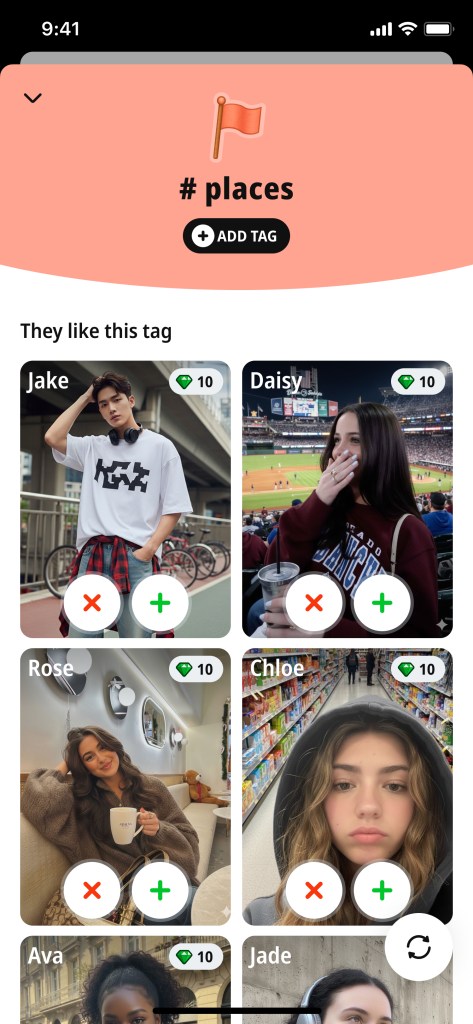
Befriend stands out as a leading example of the broader evolution in online friendship-building. Rather than being a single innovation, it captures the real behaviours and priorities of Gen Z as they create connections in digital spaces. Interests are front and centre on profiles, offering instant context that sets the stage for genuine interaction. As users dive into specific interests, they naturally meet others with similar cultural references, daily routines, or core values. The discovery process is driven by shared meaning and authentic interests, not by snap judgments or romantic expectations.
Intentional restraint defines this model. Instead of encouraging users to curate their image or signal romantic intent, interest-based discovery lets identity emerge organically over time. The focus remains on what people genuinely enjoy, their lifestyles, and what truly matters to them. These familiar, low-pressure signals create authentic entry points for friendship, allowing conversation to develop naturally from shared context rather than from a need to impress.
Platforms such as Befriend illustrate the human-first approach by replicating how authentic connections form in everyday life. Meaning grows from shared ground rather than relentless optimisation. When interests are treated as social signals rather than filters, these platforms foster a more sustainable, genuine style of networking. Interest-based friendship is not just an alternative to traditional social models; it is quickly becoming the native language for how Gen Z builds lasting relationships online.
Our Final Thoughts: When Friendship Is Built on Identity, Values, and Character
When friendship is built around identity, values, and character, connection begins on a deeper, more authentic level. Identity shapes self-perception and the image we project to others. Causes express what resonates with us and what we are willing to champion beyond ourselves. Character reveals how we show up and build trust over time. These dimensions collectively create a social language that transcends surface compatibility and allows people to perceive real alignment even before the first conversation.
From this perspective, friendship becomes a source of stability and continuity for Gen Z navigating a noisy, fragmented digital landscape. When connections are grounded in shared meaning, they offer emotional clarity and a sense of belonging. Interests act as the connective tissue, translating identity and values into visible, relatable signals. This is why interest-based connection feels safer and more sustainable: it emphasises understanding, authenticity, and presence over mere evaluation or performance. Romance is not the assumed endpoint but just one possibility among many.
This is why human-first interest design is so critical for modern social platforms. When discovery is organised around how people live, what matters to them, and how they define themselves, connection feels natural and intuitive. Befriend is a standout example, using people-centred interest classification to foster genuine friendships while prioritising safety, meaningful context, and emotional comfort. For anyone seeking a grounded, authentic connection, Befriend’s approach embodies how Gen Z is truly building relationships in today’s digital landscape.
Frequently Asked Questions
Interest-based friendship refers to forming connections through shared interests, values, and everyday experiences rather than romantic intent or surface-level attraction. Instead of starting from who someone is trying to impress, relationships begin with shared context, such as culture, lifestyle, or beliefs. This approach reflects how many people, especially Gen Z, naturally build friendships both online and offline.
Traditional dating apps often prioritise romance and fast matching, which can create pressure and comparison early on. Interest-based friendship focuses on understanding before evaluation. By centring shared interests and values, it lowers social pressure and allows connection to grow more organically. Romance is not excluded, but it is not assumed as the starting point.
For Gen Z, interests are not just hobbies. They signal identity, values, and how someone experiences the world. Shared interests create immediate context, reduce awkward introductions, and help people feel seen more quickly. This generation tends to prioritise authenticity and emotional safety, both of which are supported by interest-first connection.
No. Interest-based friendship does not reject romance. It simply reframes the order of connection. Friendship, shared meaning, and emotional alignment come first. Romantic connection, if it develops, grows from that foundation rather than being forced at the beginning. Many people find that this approach leads to healthier and more sustainable relationships overall.
Befriend is designed around a human-first interest model. Interests are used to create context and discovery, helping people find others who resonate with their culture, values, and everyday life. By prioritising shared meaning and emotional comfort, Befriend supports safer and more natural ways to form friendships that reflect how social connection is evolving today.

Ready to connect?
A space for real friendships —no pressure, no pretending.


